

Signs of Vitamin D Deficiency You Shouldn’t Ignore
Vitamin D plays a much bigger role in your health than most people realize. From supporting strong bones to maintaining your immune system and mood, it’s essential for everyday functioning. Yet, many people don’t notice when their levels drop — mainly because the signs of vitamin D deficiency are often subtle and easy to ignore.
If you’ve been feeling “off” lately but can’t quite explain why, your body might be trying to tell you something.
Why Vitamin D Matters More Than You Think
Vitamin D helps your body absorb calcium, supports muscle function, and strengthens your immune system. When levels are low, it can quietly affect multiple functions in your body over time.
Even in a sunny city like Bangkok, deficiency is more common than expected. Many people spend long hours indoors or rely heavily on sunscreen, which limits natural absorption. This is why lab tests and routine screenings are becoming an important part of preventive healthcare.
Common Signs of Vitamin D Deficiency
One of the most common symptoms is constant fatigue. If you feel tired even after getting enough rest, it may be one of the early low vitamin D symptoms your body is signaling.
Bone pain or lower back discomfort is another key indicator. Since vitamin D supports calcium absorption, low levels can lead to weaker bones and lingering aches.
Hair fall is also commonly linked to deficiency. While often overlooked, increased shedding can be one of the noticeable vitamin D deficiency signs in adults.
Frequent illnesses or infections may point to a weakened immune system. If you find yourself falling sick more often than usual, your vitamin levels could be a contributing factor.
Mood changes, including feeling low or experiencing mild anxiety, are also associated with deficiency. These symptoms are often ignored or attributed to lifestyle stress.
Who Is at Risk?
People who work indoors, avoid sun exposure, or spend most of their time in air-conditioned environments are at higher risk. Expats and travelers in Bangkok may assume they’re getting enough sunlight, but daily habits can still lead to deficiency.
This is where visiting a reliable medical clinic in Bangkok for preventive screening can make a real difference.
When Should You Get Tested?
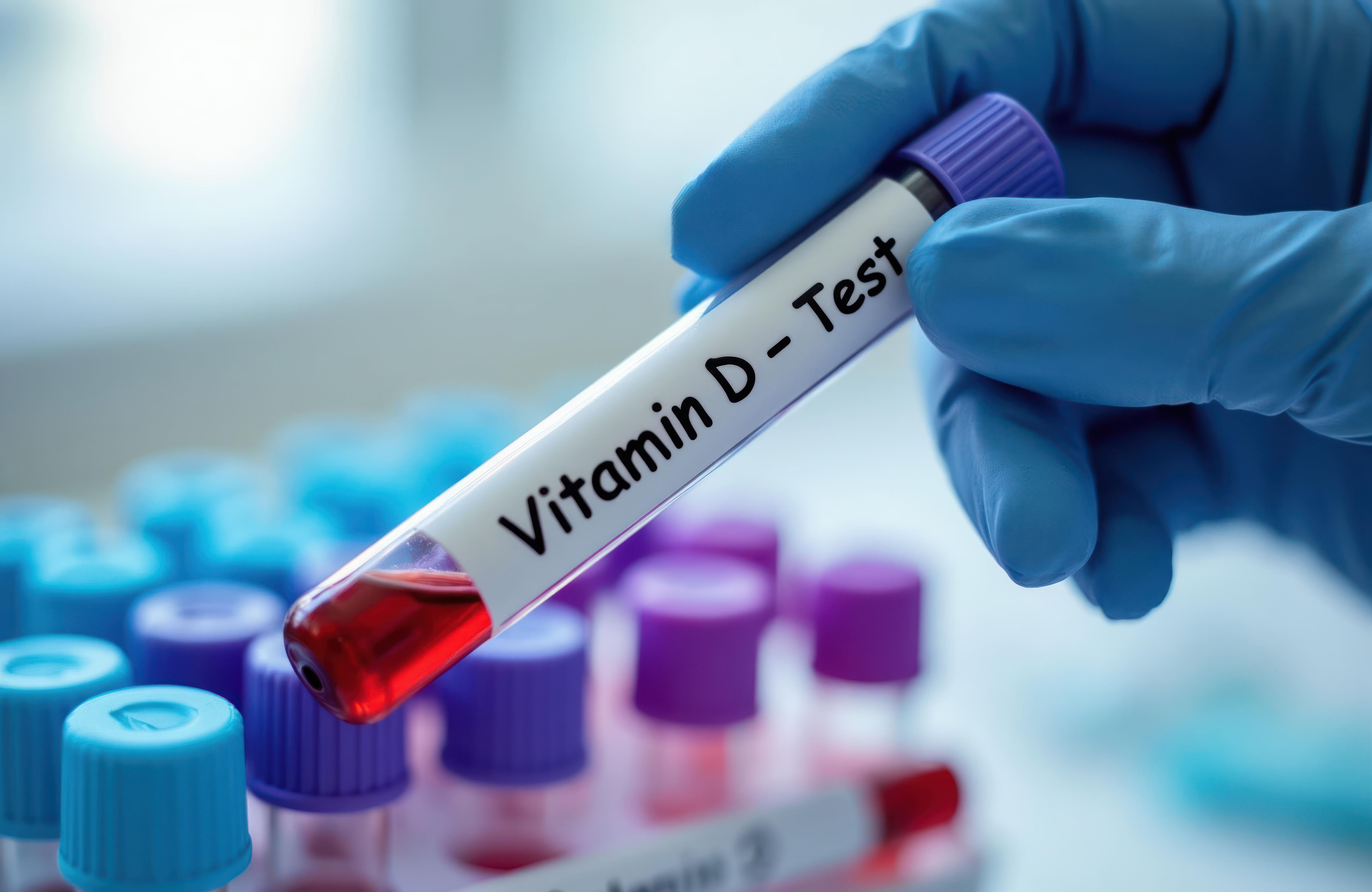
If these symptoms persist, it’s a good idea to consider a vitamin D blood test. Early detection through professional blood testing services can help identify deficiencies before they lead to more serious health concerns.
Many people now include vitamin level checks as part of their routine health checkup packages, especially when symptoms are unclear but ongoing.
Take a Proactive Approach to Your Health
Ignoring the early signs of vitamin D deficiency can impact your overall well-being over time. The good news is that it’s easy to detect through simple diagnostic tests, and treatment is usually straightforward once identified.
If you’ve been experiencing unexplained fatigue, frequent illness, or persistent discomfort, it may be time to take action. A quick test can give you clarity and help you make informed decisions about your health.
For more information, contact:
The Lotus Azure Clinic
☎️ Tel: 02-117-1801
💚 Line: https://line.me/ti/p/~thelotusazure
💬 Website: https://thelotusazure.com/
📍 Address: 89 Surin Building, 2nd Floor, Soi Wat Thong Thammachart, Chiang Mai Road, Khlong San, Bangkok 10600, Thailand
https://maps.app.goo.gl/TJHSSexneTYBW8ta7


