How to Improve Liver Function Naturally?
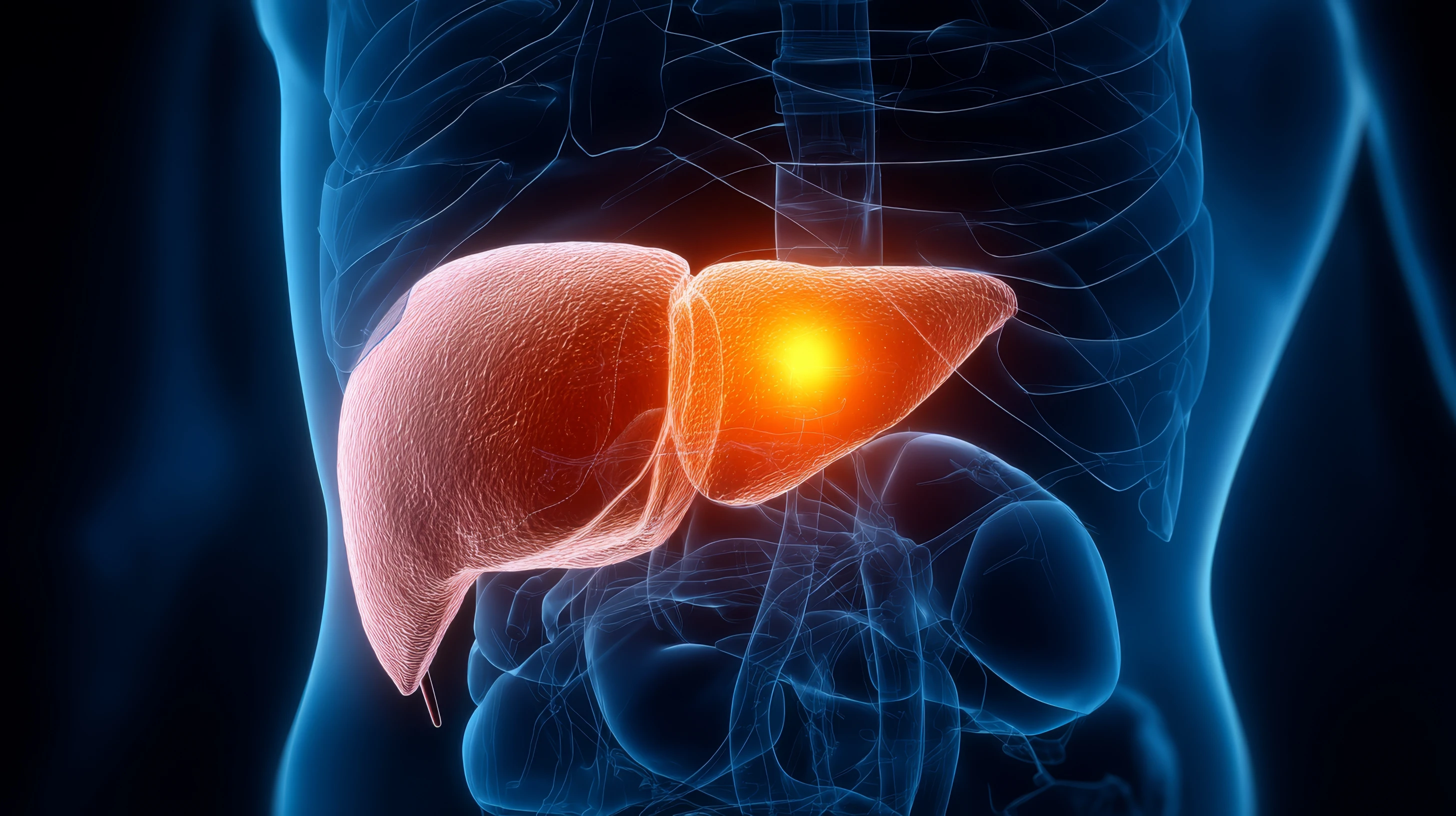
Your liver is one of the most important organs in your body, performing over 500 essential functions every day. It filters toxins, metabolizes nutrients, produces bile for digestion, stores vitamins, and helps regulate blood sugar and cholesterol levels. Maintaining a healthy liver is essential for overall wellness.
If you’re wondering how to improve liver function naturally, the good news is that healthy lifestyle choices can significantly support liver health. Combined with regular medical checkups and diagnostic testing, these habits can help keep your liver functioning at its best.
- Eat a Balanced, Liver-Friendly Diet
A healthy diet plays a major role in protecting your liver. Include plenty of:
- Fresh fruits and vegetables
- Whole grains
- Lean proteins
- Healthy fats such as olive oil, nuts, and seeds
Limit processed foods, sugary drinks, fried foods, and excessive saturated fats, as these can increase the risk of fatty liver disease.
- Maintain a Healthy Weight
Being overweight is one of the leading risk factors for non-alcoholic fatty liver disease (NAFLD). Even modest weight loss can reduce fat accumulation in the liver and improve liver function.
- Exercise Regularly
Aim for at least 150 minutes of moderate exercise each week. Walking, swimming, cycling, and strength training can improve metabolism, reduce liver fat, and support long-term liver health.
- Limit Alcohol Consumption
Excessive alcohol can damage liver cells and lead to inflammation or liver disease. Reducing alcohol intake or avoiding it altogether is one of the most effective ways to protect your liver.
- Stay Hydrated
Drinking enough water supports your body’s natural metabolic processes and helps your liver efficiently process nutrients and remove waste products.
- Be Careful with Medications and Supplements
Certain medications and herbal supplements can affect liver health when taken incorrectly or in excessive amounts. Always follow your healthcare provider’s recommendations and avoid self-medicating.
- Manage Blood Sugar and Cholesterol
High blood sugar, insulin resistance, and elevated cholesterol levels are closely associated with fatty liver disease. Eating a balanced diet, staying active, and scheduling regular health screenings can help reduce these risks.
- Choose Foods That Support Liver Health
While no food can “detox” your liver, several foods may help support healthy liver function, including:
- Leafy green vegetables
- Berries
- Garlic
- Oats
- Fatty fish rich in omega-3 fatty acids
- Coffee (in moderation)
These foods are best enjoyed as part of a balanced, nutritious diet.
- Get Enough Sleep
Quality sleep allows your body to recover and supports healthy metabolism, hormone regulation, and overall organ function. Adults should aim for 7–9 hours of sleep each night.
- Don’t Ignore Warning Signs
Symptoms such as persistent fatigue, yellowing of the skin or eyes (jaundice), dark urine, abdominal discomfort, nausea, or unexplained weight loss may indicate an underlying liver condition. If these symptoms persist, seek medical advice promptly.
- Monitor Your Liver Health with Diagnostic Tests
Lifestyle habits are essential, but they cannot always reveal how well your liver is functioning. Regular diagnostic testing helps detect liver problems early, often before symptoms develop.
Depending on your health history and symptoms, your healthcare provider may recommend tests such as:
- ALT (Alanine Aminotransferase) Test to detect liver cell damage.
- Alkaline Phosphatase (ALP) Test to assess bile duct and liver health.
- Gamma-Glutamyl Transferase (GGT) Test to evaluate liver function and identify bile duct disorders.
- Total Bilirubin and Direct Bilirubin tests to investigate jaundice and assess how effectively your liver processes bilirubin.
- Albumin and Total Protein tests to measure your liver’s ability to produce essential proteins, an important indicator of liver function.
These blood tests provide valuable insights into liver health and can help detect conditions such as fatty liver disease, hepatitis, bile duct disorders, liver inflammation, and other liver-related conditions at an early stage.
- Schedule Regular Preventive Health Checkups
Many liver diseases progress silently without noticeable symptoms. Regular preventive health screenings, especially if you have risk factors such as obesity, diabetes, high cholesterol, or frequent alcohol consumption, can help identify liver abnormalities before they become more serious.
Conclusion
Supporting your liver naturally begins with everyday healthy habits—eating a balanced diet, maintaining a healthy weight, exercising regularly, staying hydrated, limiting alcohol, and getting enough sleep. However, maintaining a healthy lifestyle should be complemented by regular health screenings to monitor your liver’s condition and detect potential problems early.
At Lotus Azure, we offer a wide range of diagnostic tests to help assess your liver health, including ALT, Alkaline Phosphatase (ALP), Gamma-Glutamyl Transferase (GGT), Albumin, Total Protein, Total Bilirubin, and Direct Bilirubin testing. Whether you’re experiencing symptoms, managing an existing condition, or simply taking a proactive approach to your health, our experienced healthcare team is here to provide accurate testing and personalized care. Book your appointment today and take the first step toward better liver health.
Frequently Asked Questions
- Can the liver repair itself naturally?
Yes, the liver is the only organ in the human body with a remarkable ability to regenerate. In many cases, adopting healthy habits such as eating a balanced diet, limiting alcohol, exercising regularly, and maintaining a healthy weight can help the liver repair itself. However, severe liver damage or advanced liver disease requires prompt medical evaluation and treatment.
- What foods help improve liver function naturally?
Foods that support liver health include leafy green vegetables, berries, whole grains, fatty fish rich in omega-3 fatty acids, garlic, nuts, and coffee in moderation. While no single food can detoxify the liver, a balanced diet combined with a healthy lifestyle can help improve liver function over time.
- What are the early signs of poor liver function?
Early signs of liver problems may include persistent fatigue, loss of appetite, nausea, abdominal discomfort, dark urine, yellowing of the skin or eyes (jaundice), and unexplained weight loss. If these symptoms persist, it’s important to consult a healthcare professional and consider appropriate liver function testing.
- Which tests are used to check liver function?
Doctors commonly assess liver health using blood tests such as ALT, Gamma-Glutamyl Transferase (GGT), Alkaline Phosphatase (ALP), Albumin, Total Protein, Total Bilirubin, and Direct Bilirubin. These tests help evaluate liver function, detect inflammation, identify bile duct disorders, and diagnose liver-related conditions at an early stage.
- How often should I get my liver checked?
There is no one-size-fits-all schedule. Healthy adults may include liver function tests as part of their routine preventive health checkups, while people with risk factors such as obesity, diabetes, high cholesterol, heavy alcohol consumption, or a family history of liver disease may need more frequent testing. Your healthcare provider can recommend the most appropriate screening schedule based on your individual health needs.
For more information, contact:
The Lotus Azure Clinic
☎️ Tel: 02-117-1801
💚 Line: https://line.me/ti/p/~thelotusazure
💬 Website: https://thelotusazure.com/
📍 Address: 89 Surin Building, 2nd Floor, Soi Wat Thong Thammachart, Chiang Mai Road, Khlong San, Bangkok 10600, Thailand
https://maps.app.goo.gl/TJHSSexneTYBW8ta7


