

Syphilis Test: When to Get Tested, Types, Results & What to Expect
A syphilis test helps detect an infection caused by Treponema pallidum, the bacterium responsible for syphilis. Because syphilis can sometimes cause mild or no noticeable symptoms, testing can be important after a potential exposure, when symptoms appear, or when STI screening is recommended. Understanding the available tests, testing window and results can help you make informed decisions about your sexual health.
What is Syphilis?
Syphilis is a sexually transmitted infection that can progress through several stages if left untreated. It is primarily spread through direct contact with an infectious sore during sexual activity.
The infection can initially cause a painless sore that may go unnoticed. Later symptoms can include a rash, swollen lymph nodes, fever, fatigue and other changes. Because symptoms may disappear even though the infection remains, testing is an important part of diagnosis.
Common Symptoms and Stages of Syphilis
Syphilis symptoms vary according to the stage of infection. Primary syphilis may cause a painless sore at the site where the bacteria entered the body. Secondary syphilis can cause a rash, including on the palms of the hands or soles of the feet, as well as fever, swollen lymph nodes and fatigue.
After these stages, syphilis can enter a latent period in which there may be no visible symptoms. This means that you can have syphilis without knowing it, making appropriate screening particularly important after a potential exposure.
When Should You Get a Syphilis Test?
A syphilis test may be recommended if you have symptoms that could indicate an STI, have had a potential sexual exposure, have a partner diagnosed with syphilis, or are undergoing STI screening based on your circumstances.
Testing immediately after exposure may not reliably detect an infection because the body may not yet have produced detectable antibodies. The appropriate timing depends on factors such as when the exposure occurred, the test being used and your medical history.
If you are concerned about a recent exposure, a healthcare professional can advise whether testing should be performed now or repeated later.
Syphilis Diagnosis and Testing Methods
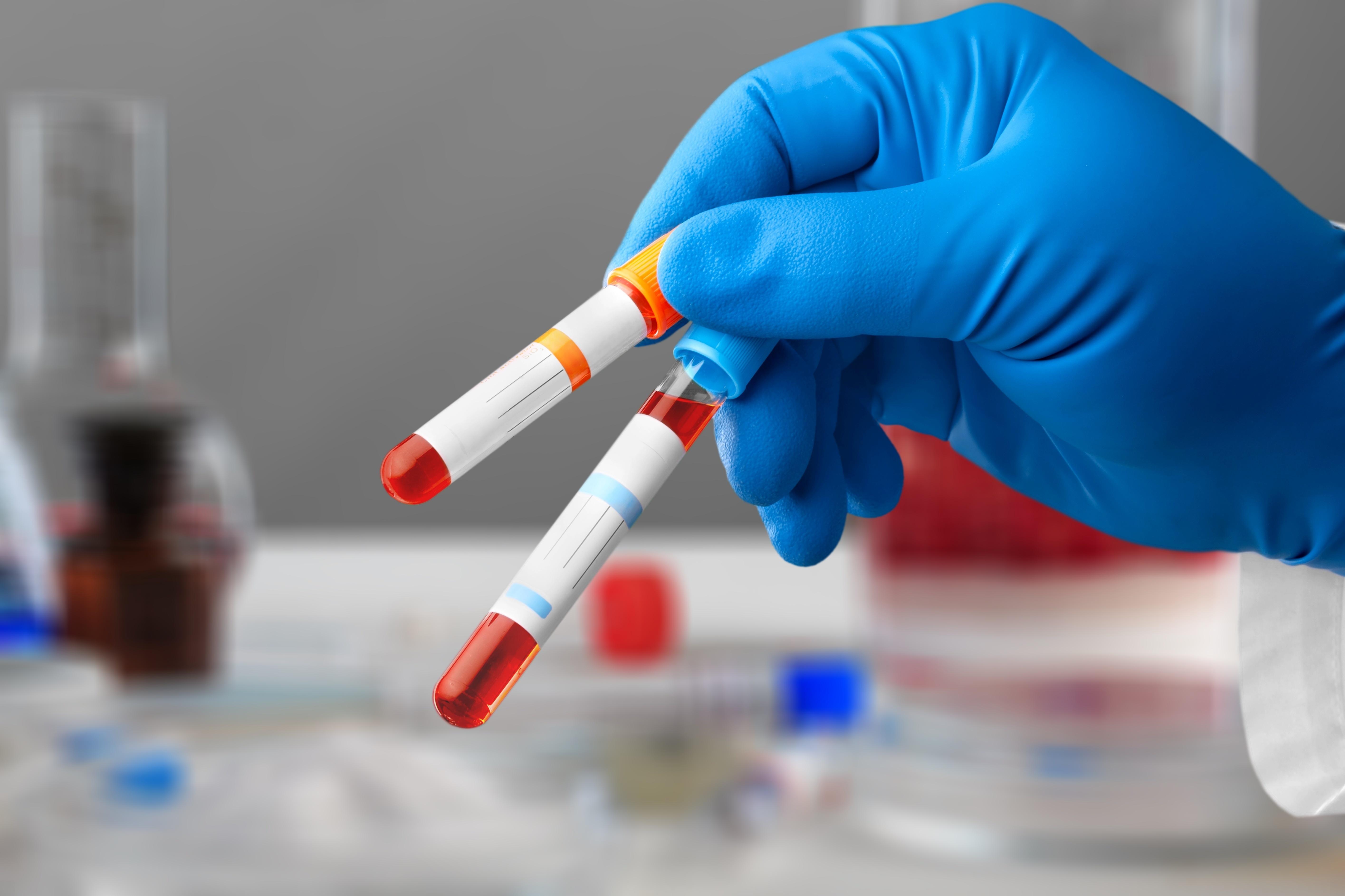
Syphilis is commonly diagnosed using laboratory blood tests. A healthcare professional may consider your symptoms, sexual and medical history and laboratory results when determining whether further testing is needed.
There is no single test that is appropriate for every situation. Different blood tests detect different types of antibodies, and more than one test may sometimes be required to interpret the result accurately.
Types of Syphilis Blood Tests
Syphilis blood testing generally involves non-treponemal tests and treponemal tests.
RPR Test
The RPR (Rapid Plasma Reagin) test is a commonly used non-treponemal blood test. It detects antibodies associated with syphilis and can be useful for supporting diagnosis and monitoring response to treatment when interpreted alongside other clinical information.
The Lotus Azure offers SYPHILLIS (RPR) as part of its laboratory testing services. You can explore the clinic’s laboratory and diagnostic tests to see available testing options and discuss the appropriate test with the medical team.
Treponemal Tests
Treponemal tests detect antibodies that specifically react to Treponema pallidum. They may be used alongside non-treponemal tests to help establish whether someone has been infected.
Because antibodies can remain detectable after previous infection and treatment, a reactive result does not always indicate a new or active infection by itself. A healthcare professional should interpret results alongside your medical history and other test findings.
Syphilis Test Window Period
The syphilis window period is the time between infection and when a test can reliably detect evidence of infection. Testing too soon after exposure can produce a negative result even when infection has occurred.
There is no single testing timeframe that applies to everyone. The timing can depend on the type of test and when the exposure occurred. If initial testing is performed soon after a potential exposure, repeat testing may sometimes be recommended.
Understanding Syphilis Test Results
A non-reactive syphilis test generally means that the test did not detect the markers it was designed to identify. However, a negative result shortly after exposure may not completely rule out infection.
A reactive result means that the test detected relevant antibodies or markers. Further testing may be necessary to determine whether the result indicates a current infection, previous infection or an infection that has already been treated.
For this reason, syphilis test results should be interpreted by a qualified healthcare professional rather than used for self-diagnosis.
Testing Without Symptoms
Syphilis can occur without obvious symptoms, particularly during its latent stage. Someone may therefore feel completely well while still having an infection.
If you have had a potential exposure or have been advised to undergo STI screening, testing can help identify an infection that may otherwise go unnoticed. Testing decisions should be based on individual circumstances and professional medical advice.
Treatment and Next Steps After a Positive Test
Syphilis is treatable with appropriate antibiotic therapy. The recommended treatment depends on factors such as the stage of infection, previous treatment history and individual clinical circumstances.
If a test indicates possible syphilis, a healthcare professional can assess the results and determine whether additional testing or treatment is needed. Sexual partners may also need evaluation and testing to help prevent further transmission.
Syphilis Testing in Bangkok
If you’re looking for a syphilis test in Bangkok, The Lotus Azure provides laboratory diagnostic services, including RPR syphilis testing. The clinic also offers other laboratory investigations that may be relevant to broader sexual and preventive health screening.
You can visit the The Lotus Azure tests page to explore available laboratory services and speak with the healthcare team about the most appropriate testing options.
For people who prefer not to travel to a clinic, The Lotus Azure also provides home healthcare services, including home blood collection in Bangkok. This can provide a convenient option when laboratory testing has been recommended.
For broader preventive screening, you can also explore the clinic’s health check-up packages to learn more about available health assessments.
Frequently Asked Questions About Syphilis Testing
What is a syphilis test?
A syphilis test is a laboratory test used to detect evidence of infection with Treponema pallidum. Blood tests such as RPR and treponemal tests are commonly used.
Can a blood test detect syphilis?
Yes. Blood testing is commonly used to detect antibodies associated with syphilis. Depending on the situation, healthcare professionals may recommend more than one type of test.
Can you have syphilis without symptoms?
Yes. Syphilis can cause few or no noticeable symptoms, particularly during the latent stage. This is one reason testing may be recommended after a potential exposure.
Can syphilis be treated?
Yes. Syphilis can be treated with appropriate antibiotics. Treatment should be determined by a qualified healthcare professional based on the stage of infection and individual circumstances.
Where can I get a syphilis test in Bangkok?
The Lotus Azure provides SYPHILLIS (RPR) laboratory testing in Bangkok. You can review the available diagnostic tests or contact the clinic to discuss your testing needs.
For more information, contact:
The Lotus Azure Clinic
☎️ Tel: 02-117-1801
💚 Line: https://line.me/ti/p/~thelotusazure
💬 Website: https://thelotusazure.com/
📍 Address: 89 Surin Building, 2nd Floor, Soi Wat Thong Thammachart, Chiang Mai Road, Khlong San, Bangkok 10600, Thailand
https://maps.app.goo.gl/TJHSSexneTYBW8ta7


