

What Causes Kidney Stones? Symptoms, Risk Factors & Prevention Tips
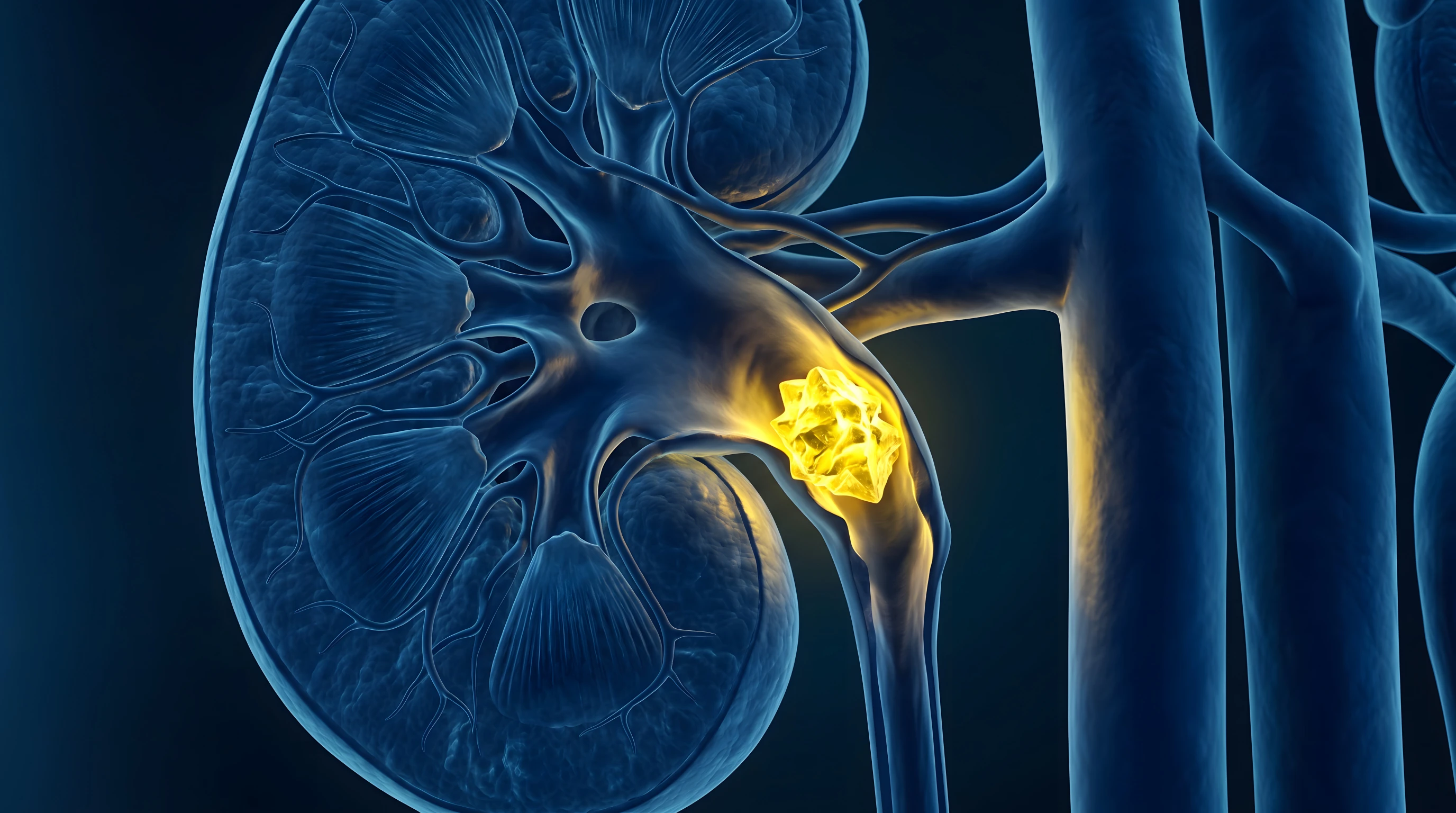
Kidney stones are one of the most common urinary tract conditions, affecting millions of people worldwide. They develop when minerals and salts in the urine become concentrated and form hard deposits inside the kidneys. While some kidney stones pass naturally, others can cause severe pain and require medical treatment.
If you’re wondering what causes kidney stones, understanding the underlying risk factors can help you reduce your chances of developing them. Early diagnosis, lifestyle changes, and appropriate laboratory tests can also help identify potential health issues that contribute to stone formation.
What Are Kidney Stones?
Kidney stones are hard deposits made of minerals such as calcium, uric acid, or oxalate that form in the kidneys. They can range in size from tiny crystals to larger stones that may block the urinary tract, causing intense pain and difficulty passing urine.
What Causes Kidney Stones?
Several factors can increase your risk of developing kidney stones, including:
- Dehydration
Not drinking enough water is one of the leading causes of kidney stones. When urine becomes concentrated, minerals are more likely to crystallize and form stones. Staying well-hydrated helps dilute these substances and reduces your risk.
- Diet High in Salt and Animal Protein
Excess sodium increases the amount of calcium in urine, while diets high in red meat can raise uric acid levels. Both factors can contribute to kidney stone formation.
- High Oxalate Foods
Foods such as spinach, beets, chocolate, nuts, and tea contain oxalates, which can combine with calcium in the urine to form calcium oxalate stones—the most common type of kidney stone.
- Family History
If a close family member has experienced kidney stones, your own risk may be higher due to genetic and lifestyle factors.
- Certain Medical Conditions
Health conditions such as gout, obesity, diabetes, recurrent urinary tract infections, and hyperparathyroidism can increase the likelihood of developing kidney stones.
- Certain Medications and Supplements
Excessive calcium supplements, high-dose vitamin C supplements, and some medications may contribute to kidney stone formation in susceptible individuals.
Common Symptoms of Kidney Stones
Symptoms vary depending on the size and location of the stone but may include:
- Severe pain in the back, side, or lower abdomen
- Pain during urination
- Blood in the urine
- Frequent urge to urinate
- Cloudy or foul-smelling urine
- Nausea and vomiting
- Fever and chills if an infection develops
If you experience severe pain, persistent vomiting, fever, or difficulty passing urine, seek medical attention immediately.
How Are Kidney Stones Diagnosed?
A healthcare provider may recommend imaging studies and laboratory tests to determine the cause of kidney stones and evaluate kidney function.
Useful diagnostic tests include:
- Creatinine – helps assess how well your kidneys are filtering waste from your blood.
- Blood Urea Nitrogen (BUN) – evaluates kidney function and hydration status.
- Uric Acid – identifies elevated uric acid levels that may contribute to uric acid kidney stones.
- Calcium – measures blood calcium levels, which may be linked to certain types of kidney stones.
- Urine Analysis – helps detect blood, crystals, infection, and other abnormalities associated with kidney stones.
- Urine Culture – may be recommended if a urinary tract infection is suspected.
- Abdominal Ultrasound – a non-invasive imaging test that can help identify kidney stones and evaluate the kidneys and urinary tract.
These blood tests help healthcare providers determine the type of kidney stone, identify contributing factors, and recommend appropriate treatment and prevention strategies.
How to Prevent Kidney Stones
Although not all kidney stones can be prevented, these habits can significantly reduce your risk:
- Drink enough water throughout the day.
- Reduce excess salt intake.
- Eat a balanced diet rich in fruits and vegetables.
- Limit sugary drinks and excessive animal protein.
- Maintain a healthy body weight.
- Follow your healthcare provider’s recommendations if you’ve had kidney stones before.
Conclusion
Understanding what causes kidney stones is the first step toward protecting your kidney health. Simple lifestyle changes, including staying hydrated, eating a balanced diet, and managing underlying health conditions, can significantly reduce your risk. Regular diagnostic testing is equally important, especially if you’ve experienced kidney stones previously or have risk factors such as diabetes, obesity, or recurrent urinary tract infections.
If you’re looking for a trusted medical clinic in Bangkok, Lotus Azure offers comprehensive diagnostic services to help assess kidney health. From Creatinine, Blood Urea Nitrogen (BUN), Uric Acid, Calcium, Urine Analysis, and Urine Culture to Abdominal Ultrasound, our experienced healthcare professionals provide accurate testing and personalized care to help you identify risk factors early and support your long-term kidney health.
Frequently Asked Questions
- What is the main cause of kidney stones?
The most common cause of kidney stones is dehydration, which allows minerals and salts to become concentrated in the urine and form crystals. Other contributing factors include high salt intake, certain medical conditions, obesity, family history, and diets high in oxalates or animal protein.
- What are the first signs of kidney stones?
Early symptoms may include severe pain in the side or lower back, pain while urinating, blood in the urine, nausea, frequent urination, and cloudy urine. Some small kidney stones may not cause symptoms until they begin moving through the urinary tract.
- Which blood tests help diagnose kidney stones?
Doctors may recommend blood tests such as Creatinine, Blood Urea Nitrogen (BUN), Uric Acid, and Calcium to evaluate kidney function and identify metabolic conditions that may increase the risk of kidney stones. A Urine Analysis is also commonly performed to detect blood, crystals, or signs of infection.
- Can kidney stones go away without surgery?
Yes. Many small kidney stones pass naturally by drinking plenty of water and following your doctor’s advice. However, larger stones or those causing severe pain, infection, or urinary blockage may require medical treatment or minimally invasive procedures.
- How can I prevent kidney stones from coming back?
To reduce the risk of recurring kidney stones, stay well-hydrated, limit salt intake, maintain a healthy weight, eat a balanced diet, and follow any dietary recommendations based on the type of stone you previously had. Regular health checkups and kidney function tests can also help monitor your kidney health and identify risk factors early.
For more information, contact:
The Lotus Azure Clinic
☎️ Tel: 02-117-1801
💚 Line: https://line.me/ti/p/~thelotusazure
💬 Website: https://thelotusazure.com/
📍 Address: 89 Surin Building, 2nd Floor, Soi Wat Thong Thammachart, Chiang Mai Road, Khlong San, Bangkok 10600, Thailand
https://maps.app.goo.gl/TJHSSexneTYBW8ta7


